Introduction
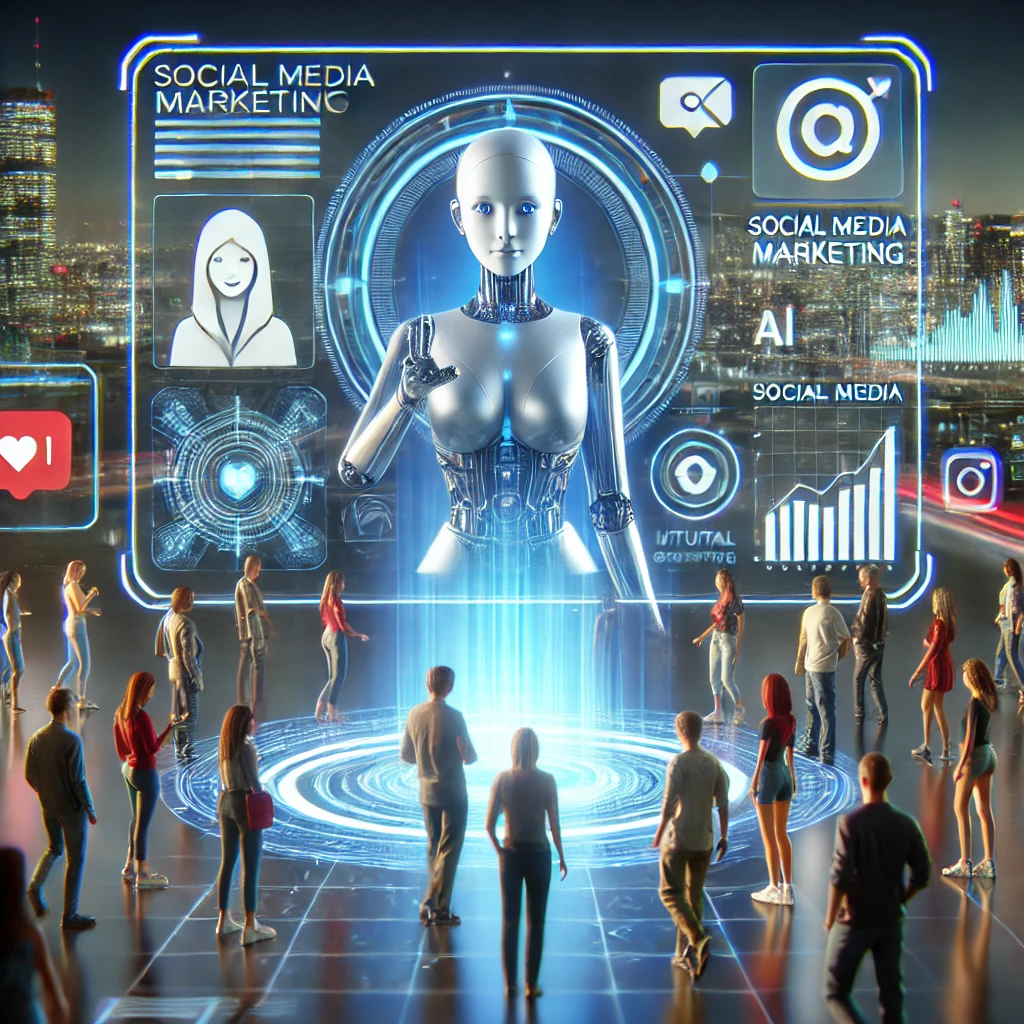
In the ever-evolving landscape of social media marketing, a new trend has emerged—virtual influencers. These computer-generated personalities are reshaping the way brands engage with audiences. With their hyper-realistic appearances, unique personas, and the ability to consistently produce content, virtual influencers are quickly becoming a game-changer in digital marketing.
What Are Virtual Influencers?
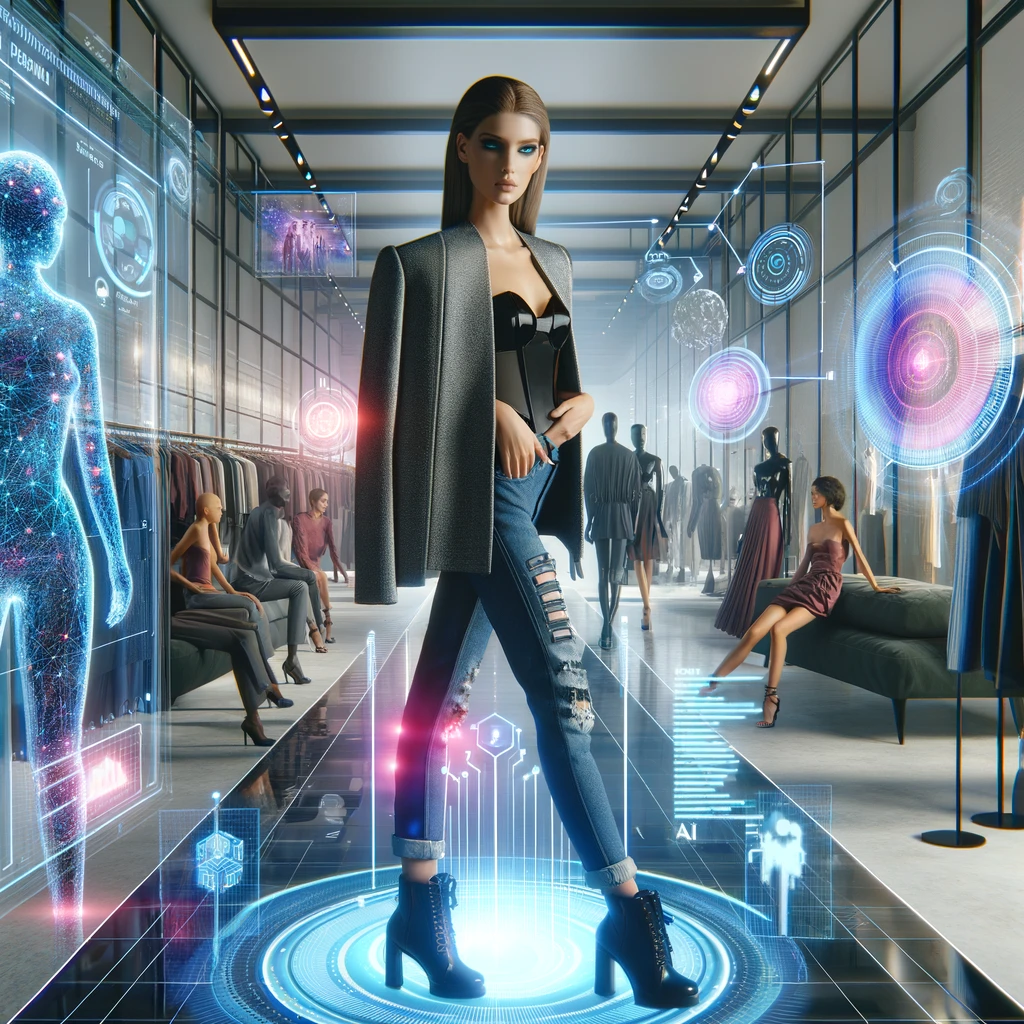
Virtual influencers are AI-driven or digitally created characters designed to interact with audiences just like human influencers. They have distinct personalities, interests, and even storylines that brands can leverage to promote their products and services. Some of the most well-known virtual influencers include Lil Miquela, Imma, and Noonoouri.
Why Brands Are Embracing Virtual Influencers
- Total Creative Control – Unlike human influencers, brands have complete control over the messaging, aesthetics, and behavior of virtual influencers, ensuring consistency in marketing campaigns.
- No Scandals or Controversies – Virtual influencers eliminate the risk of personal misconduct or unpredictable behavior that might harm a brand’s reputation.
- Cost-Effective in the Long Run – While creating a virtual influencer requires an initial investment, maintaining them can be more cost-efficient than hiring multiple human influencers.
- Round-the-Clock Availability – They never need breaks, vacations, or time off, making them an always-active marketing asset.
- Hyper-Personalization & Innovation – Virtual influencers can be programmed to adapt to audience preferences, enhancing engagement through AI-driven personalization.
Real-World Examples of Virtual Influencers in Marketing
- Lil Miquela: This AI-powered influencer collaborates with major fashion brands like Prada and Calvin Klein.
- Imma: A Japanese virtual influencer who promotes beauty and fashion brands while captivating audiences with her futuristic aesthetic.
- Seraphine: A virtual influencer introduced by Riot Games for the promotion of their video game, League of Legends.
The Future of Virtual Influencers in Marketing
As technology advances, virtual influencers will become even more lifelike and interactive. With AI and machine learning, they could engage in real-time conversations, analyze audience sentiment, and tailor their content accordingly. The rise of the metaverse and augmented reality (AR) will further integrate these digital personalities into our daily online experiences.
Conclusion
Virtual influencers are not just a passing trend but a revolutionary shift in digital marketing. Brands looking to innovate and stay ahead of the curve should consider leveraging virtual influencers to build deeper, more controlled, and engaging relationships with their audiences. As technology continues to evolve, these digital personalities will play an even bigger role in shaping the future of social media marketing.