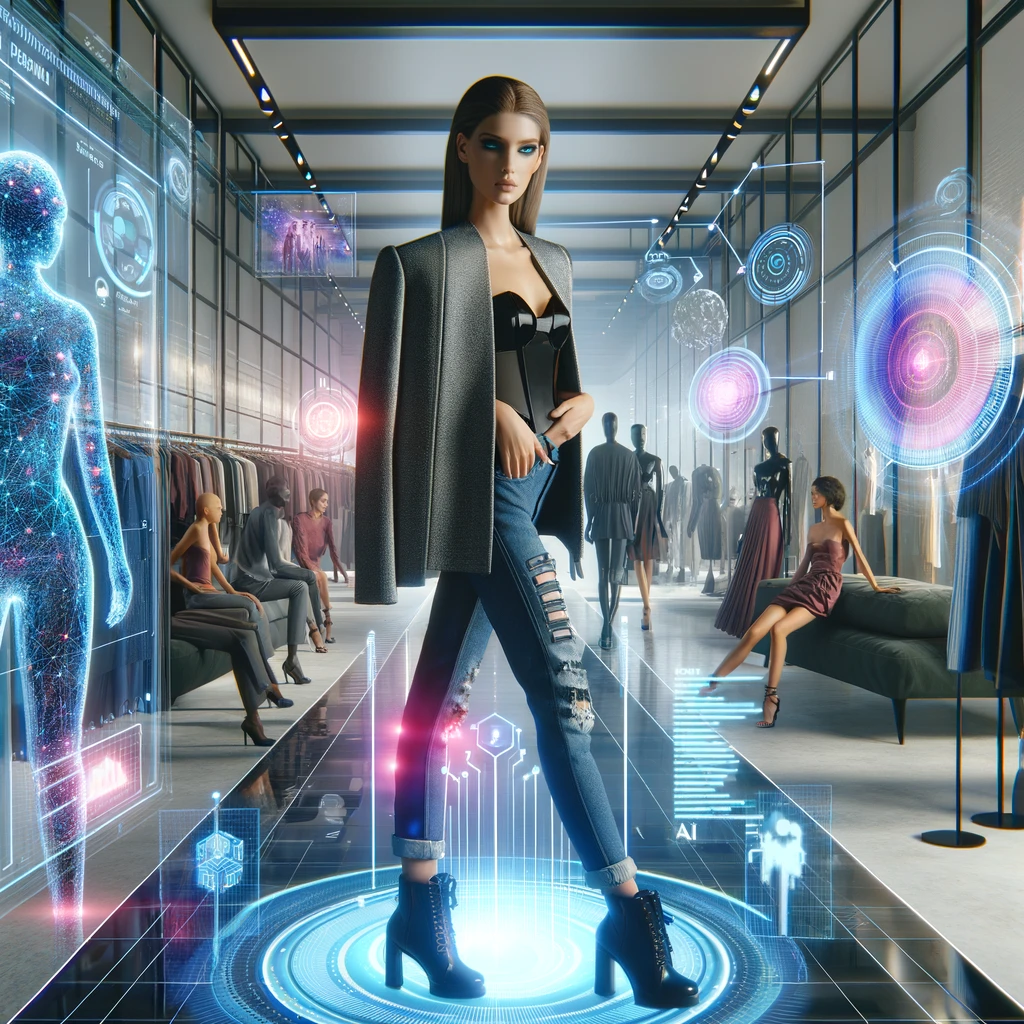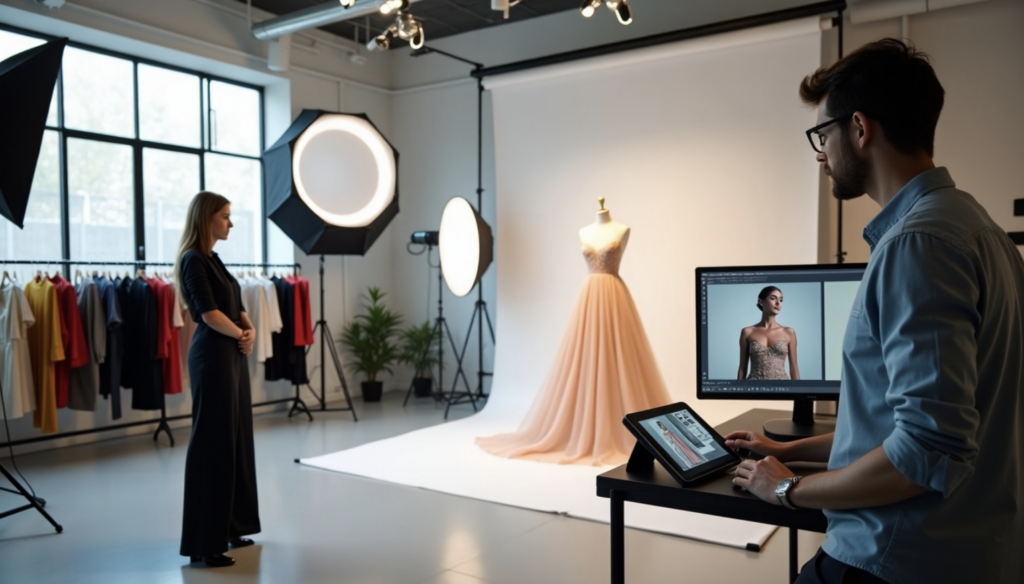
The global fashion industry, worth $3 trillion, faces a revolutionary change as AI image generation reshapes how brands create and market their products. Traditional visual content creation used to take substantial time and resources. Now, leading brands have found that there was a game-changing advantage.
AI’s role in fashion extends beyond simple image creation. Top brands make use of AI-powered tools that analyze social media trends, boost virtual try-ons, and create tailored shopping experiences. Their efforts have led to higher customer participation and lower return rates. This piece reveals the insider knowledge these successful brands use to outpace their competition and shows you how to apply these powerful strategies in your business.
Common AI Image Generation Myths
Businesses often hesitate to use AI image generation because of persistent myths. Let’s look at what’s true and what’s not about this technology.
Quality concerns debunked
People often doubt AI’s ability to create professional-grade images. Modern AI has evolved substantially, and now produces photorealistic images that look just like traditional photography. These systems are great at creating professional lighting, camera angles, and natural skin tones with amazing accuracy.
AI-powered algorithms can also improve product images automatically. Your marketing materials will have a consistent look. This feature proves valuable to fashion brands that need uniform visual presentations.
Cost misconceptions
Many believe you need deep pockets to start using AI image generation. While building advanced AI models costs a lot, most businesses don’t need their own systems . Cloud platforms offer affordable solutions with flexible pricing that fits different budgets and needs.
You’ll see the real savings when you compare AI to traditional methods. Traditional photography comes with studio rentals, equipment, photographer fees, and post-production costs. AI eliminates these overhead expenses. Teams working remotely can avoid the hassle and expense of organizing photo shoots in different locations.
Fashion brands can use AI to quickly test designs, fabrics, and styles digitally. This approach saves time and money that physical garment production usually needs . Brands can create high-quality visual content for marketing campaigns more efficiently.
Real-World Applications in Fashion
Fashion brands have found innovative ways to use AI image generation in their operations. AI applications transform industry standards through optimized product shoots and dynamic marketing campaigns.
Product photography
Fashion brands now create professional product images at a fraction of traditional costs. Luxury knitwear brand Sheep Inc. spends just £85 per campaign photo. The production timeline has dropped significantly – a process that took two months now takes only a week to finish.
Modern AI platforms keep important design elements intact in generated images. Brand identifiers, text, and patterns stay consistent throughout the creation process.
This feature helps maintain product authenticity and cuts production costs by 30-50% .
Marketing materials
Major fashion houses have embraced AI for groundbreaking campaigns. Casablanca employed AI-generated imagery in their Spring/Summer 2023 collection by blending retro esthetics with futuristic elements. Louis Vuitton commissioned AI-generated portfolios that set new standards in luxury marketing.
These AI-powered marketing initiatives bring clear benefits:
- Production timelines cut by 50%
- Better creative flexibility for multiple variations
- Smooth integration with existing brand esthetics
- Testing different visual concepts before full deployment
Social media content
AI-generated content works especially well in social media campaigns. Industry research shows brands using AI-generated content on social platforms see a 60% increase in post engagement. This technology lets fashion companies create platform-specific content that appeals to different audience segments.
AI systems’ speed and adaptability boost fast-moving social media strategies. Brands create unique content for each platform and adjust formats to match specific network requirements. This approach helps maintain a consistent brand presence across Instagram, TikTok, and Pinterest while meeting each platform’s visual needs.
Measuring ROI from AI Images
Smart businesses know that measuring AI image generation returns needs a well-laid-out approach. A newer study, published in 2023 shows organizations get $3.50 in return for every $1 invested in AI technology.
Key performance metrics
Companies track both hard numbers and soft indicators to assess how well AI images perform. The main metrics include:
- Development time reduction (saving up to 4 hours per image)
- Cost efficiency (30% reduction in operational costs)
- Quality assurance scores (95% accuracy improvement)
- Customer engagement rates (15% increase in retention)
Case study results
Ground applications show significant returns. A major e-commerce platform combined AI-generated product images in their workflow and saw higher customer engagement with better conversion rates. A fashion retailer’s sales jumped 40% through AI-powered visual content.
The benefits go beyond just money. Artists report boosted creative output – one went from making 3-4 images weekly to 4 images daily. Companies that use AI for visual content see their social media engagement rise by 60%, which deepens their market presence.
Future of AI in Visual Content
Market analysis shows AI image generation sector is growing at an unprecedented rate. Experts project it will reach USD 60.8 billion by 2030. This quick growth points to a fundamental change in how we create visual content.
Emerging technologies
AI combined with augmented reality (AR) and virtual reality (VR) is pioneering new possibilities. These blended systems will soon create immersive experiences in gaming, virtual training, and digital tourism platforms . Processing speeds will improve by a lot as technology advances. Image generation time will drop from minutes to instant creation.
Industry predictions
The AI image generator market started at USD 349.6 million in 2023. It shows strong potential with a CAGR of 17.7% through 2030. We credit this growth
to breakthroughs in neural network architectures and better computer vision algorithms. The fashion industry will without doubt lead this growth through virtual try-on experiences and personalized visual content.
Preparation strategies
Companies need strong plans to control these advancing technologies. Here’s what matters:
- Technology infrastructure and data capabilities need assessment
- Controlled environments should test proof-of-technology
- Departments should work together inclusively
- Progress and milestones need clear documentation
AI implementation success depends on finding the right balance between automation and human creativity. Organizations should create upskilling programs and ethical guidelines. This helps prevent misuse and promotes trust in AI technologies. AI works best as a collaborative tool that enhances human creativity rather than replacing it.
Conclusion
AI image generation is reshaping the fashion industry’s future. Major brands are already seeing amazing results. Their production timelines are 50% faster and social media involvement rates have jumped by 60%. These results paint a clear picture – AI-powered visual content creation brings real benefits. Some people still question the quality and costs, but real success stories tell a different tale. Fashion brands now produce professional-grade images at a much lower cost and retain control of their visual identity. On top of that, brands can quickly test new designs and marketing ideas with unprecedented creative freedom.
Market projections show this technology will reach USD 60.8 billion by 2030. Smart companies know their success hinges on a balanced approach that blends AI capabilities with human creativity. The best strategy is to begin with small steps, track your progress, and build on what works. This practical mindset will keep your brand competitive in an increasingly AI-driven fashion world.